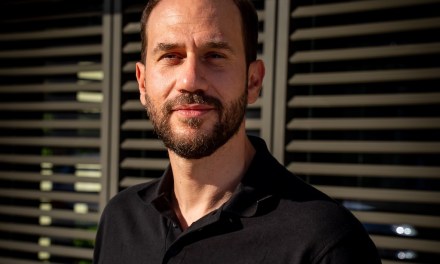

In this interview, Miguel Rojas Ruiz, the Director of Brand Marketing for Rove Hotels, UAE, shares first-hand insights into digital marketing within the hospitality sector with Seamless Xtra’s Carolina Lubinus. This includes key components of a successful marketing campagin, how Rove has strengthened the brand by thinking outside the box, using metrics as a benchmark and future digital marketing trends.
Miguel, you’ve been in the hospitality industry for over a decade. Can you share your experience leading marketing strategies in the hospitality industry, particularly within the realm of hotels?
Hospitality is an exciting industry to work in because it provides plenty of opportunities for creativity. People love to travel and explore new places, food, cultures, and more. This means there are many chances to come up with unique content, promotions, and initiatives.
Travel and hospitality offer possibilities to work with a variety of products, including hotel rooms, food and beverage, events, and more. While this may seem overwhelming for people new to the industry, it is what keeps the work dynamic and exciting.
During my years working in the industry, I have learned some important things:
- Be excited about what you do. If you have an idea for a promotion or campaign, and it would not be interesting to you or your team as a customer, then keep looking. Take some extra time, put yourself in the guest’s shoes and come up with something you would personally enjoy, run it by several people and if the idea sticks, it is likely that this will be a successful campaign.
- Prioritizing experiences over features is crucial. It’s essential to showcase what it feels like to stay at the hotel instead of focusing on things like internet speed or whether there is a pool. This information should be available to travellers, but it should not be the core focus of your messaging.
- Stick to what makes you unique. The UAE is an extremely competitive market for the hospitality industry, with many amazing hotels trying to attract the same travellers. Apart from competing on price, the only way to stand out is to differentiate yourself. Find your niche and make sure everything you do, from in-hotel experiences to messaging, is consistent with that.
For instance, Rove is a youthful and fun brand that is well-connected with the cultural scene of the Emirate. We have developed strong partnerships across art, photography, pop culture, and other related niches and we regularly host events and activations to bring those communities together. These initiatives help us drive awareness and create brand affinity among people who identify with this type of mindset.
- Timing is everything. The hospitality market is highly seasonal, so if you want to maximize visibility, you need to be agile and spot market trends that allow you to get the upper hand and achieve additional exposure or sales. Look at what’s happening not only in the industry but the rest of the market and jump on it while it’s a hot topic.
For example, during COP28, we planted one tree for every stay booked during the event dates, with a minimum of 28,000 trees. With lots of ongoing discussion about COP28 and what UAE companies were doing on the sustainability front, we got lots of media coverage about this promotion, plus, we got a chance to highlight everything else we are doing on the sustainability front, which is quite a bit.
Rove Hotels prides itself on offering unique experiences. How do you plan to integrate this aspect into the marketing messaging to differentiate Rove Hotels from other hospitality brands in the minds of consumers?
Since I joined Rove in the brand’s pre-opening period the objective has always been to position Rove has a very different concept to the rest of the market.
As such, I’ve always tried to think outside the box and come up with innovative ways to showcase Rove’s identity. Over the years we’ve been able to create some exciting collaborations and initiatives that our Rovers (guests) loved and that helped us connect with new audiences. For instance, our partnership with Razer resulted in the creation of the Middle East’s only hotel rooms specifically designed for gamers which got worldwide exposure. During the COVID period, we also transformed one of our empty meeting spaces into a podcast studio that it is still one of our most popular event spaces. We also have a long standing collaboration with Nikon for which we organize photowalks around undiscovered parts of the city, and we even created a photo and video studio together with them at Rove Dubai Marina.
Activities like this help Rove stand out as more than a hotel brand. Our hotels have become a community hub where people gather with friends, work from or even enjoy an art exhibition. One thing we have discovered is that being a Rover, as we call our guests, is not about demographics or income, it is all about the mindset. So, my focus is to communicate our brand’s youthful, fuss-free, and fun vibe through everything we do, from choosing the right imagery to creating engaging social content.
I am lucky to have a team both in my department and across the brand, that fully understand the brand culture and values. We brainstorm together and often bounce ideas off each other to come across with new campaigns and initiatives that suit our brand well.
What metrics do you prioritize to measure the effectiveness of marketing campaigns? How do you use these insights to optimize future strategies?
This very much depends on the purpose of the campaign and the platform. As much as we do campaigns that aim to drive business, there are many initiatives we launch purely for the PR value or the generated brand perception.
When it comes to digital advertising, we are very focused on driving commercial performance, hence, our main metrics here are always revenue, ROAS and metrics that evaluate the quality of the traffic. We also look at cost of sale, trying to maintain the cost of direct bookings below the commission we pay to online travel agents like Booking.com.
On social media, our core metrics are always engagement and reach. We create lots of fun content to facilitate vitality and we rely on collaborations with content creators and other brands to maximise our impact. We also benchmark ourselves against local and international brands to have an understanding on how well we are doing.
When it comes to public relations, whether traditional press or digital media we generally look at pieces of coverage/posts generated as well as word of mouth. Here it can get subjective but if we see people talking about our initiatives online or have friends reach out and enquiry about a particular initiative or promotion, we’ll take it as a win!
What are the top digital marketing trends you foresee shaping the hospitality industry in the MENA region in the coming years? How do you plan to keep Rove ahead of the curve?
Definitely, the use of artificial intelligence (AI) and personalisation are two major digital marketing trends that will continue to shape the hospitality industry in the MENA region. AI can be a powerful tool for enhancing various marketing processes, from creating compelling copy and graphics to brainstorming innovative ideas. At Rove, we regularly use AI to optimise our productivity and deliver more effective marketing campaigns.
Personalisation is another key trend. As travellers increasingly seek customised experiences, we are exploring tools that can deliver a higher degree of personalisation in our offerings and communications. This not only includes personalising the guest experience at our hotels, but also tailoring our marketing messages to resonate more deeply with different segments of our audience.
In addition to these trends, we are also keeping a close eye on the growing importance of sustainability in the hospitality industry. We believe that demonstrating our commitment to sustainable practices can be a powerful differentiator for Rove, and we are exploring ways to integrate this message more prominently in our marketing.
_____________________