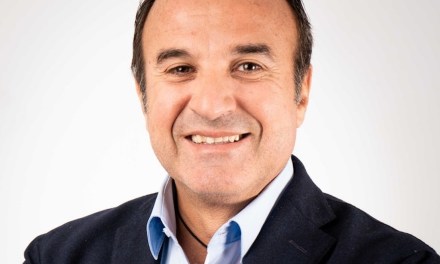

Seamless Xtra’s Carolina Lubinus interviews Katie Malaebeh, Head of Marketing & Innovation, Yo Telecom.
Driving Innovation in Telecom Marketing
1. What current marketing trends do you see impacting the telecommunications industry, and how is your business adapting its strategies to stay competitive?
The telecom industry is changing fast, and three key trends are having a big impact. First, AI is helping businesses personalise their marketing at a much deeper level. Customers now expect messages that are relevant to them personally, and AI helps us deliver that.
Second, data privacy is more important than ever. With new rules in place, we’re focusing more on getting direct permission from our customers and using that data wisely. Third, customer experience is becoming the main way to stand out. If the service is easy, fast, and reliable, customers are more likely to stay.
At Yo Telecom, we’ve adjusted our strategy to follow these trends. We now use AI tools to create smart, personalised messages. We also run automated campaigns based on how people interact with our website or phone system. Everything we do is tracked with data dashboards so we can see what’s working and improve quickly.
2. How does Yo Telecom leverage technology and data analytics to enhance customer experience and tailor marketing campaigns to specific consumer needs?
We use technology and data every day to make our customer experience better. One example is our AI-powered phone system. It can transcribe and summarise phone calls, and even detect the caller’s mood. This helps us understand what customers need and respond faster.
We also use CRM systems that track the type of business each customer runs. This lets us send marketing messages that are specific to their industry. For example, a dental clinic will receive different emails than a care home. We also analyse how quickly people respond to quotes or how often they use certain features, so we can adjust our approach and keep them engaged. All of this is backed by data. We don’t just guess—we use real customer behaviour to guide our decisions.
3. In a rapidly evolving digital landscape, what innovative marketing strategies do you believe are essential for telecom companies to engage new customers and retain existing ones?
In today’s digital world, telecom companies need to be more creative than ever. First, it’s important to build your own audience. We invest in content like videos, landing pages, and AI-powered FAQs that live on our website and bring in traffic over time.
Second, we use conversational marketing. Instead of asking people to fill out long forms, we use AI chat assistants that can answer questions and book demos on the spot. This makes the process easier for potential customers.
Third, we personalise video content for different industries. For example, we create short videos showing how care homes can benefit from our phone system. This makes our message more relevant and more likely to connect with the viewer.
We also use feedback from our current customers to improve. We listen to phone calls, read reviews, and use that input to adjust our marketing. Finally, we create communities—through webinars or online groups—where our customers can share ideas and feel part of something bigger.
4. Can you share any recent marketing initiatives or campaigns from your company that have successfully driven brand awareness and customer loyalty?
Yes. One of our most successful campaigns recently was called “Never Miss a Call Again.” This focused on businesses like dental clinics, hotels, and care homes that often struggle with missed calls. We used real customer stories to show how our system helped solve that problem. We also created special web pages for each industry, so people could see how our solution fits their business. These pages helped us rank higher on Google and bring in more leads.
In addition, we used retargeting to stay in touch with people who had visited our website. We showed them relevant ads across YouTube, LinkedIn, and email. We also used video testimonials to build trust, and promoted our WiFi data capture tool, which helped our clients grow their Google reviews and social media following.
Lastly, we used real data from our CRM and phone system to improve our messaging each week. This helped us increase conversions by more than 29% in just two months.