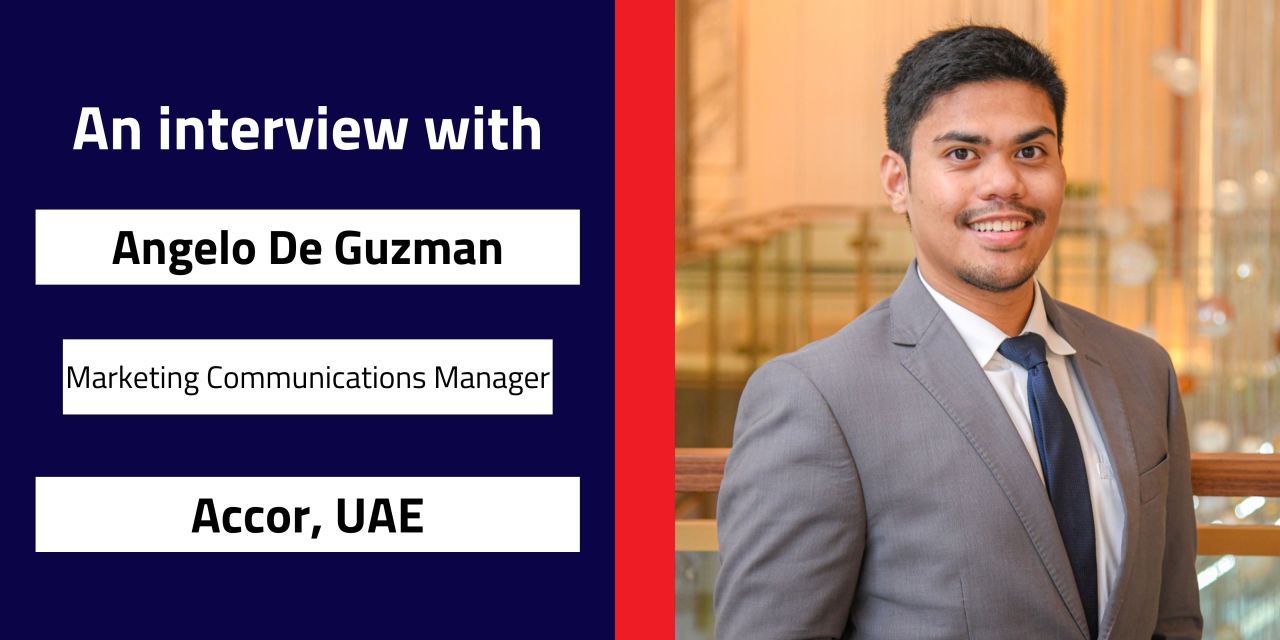
Seamless Xtra’s Paula Hallentuch interviews Angelo De Guzman, Marketing Communications Manager, Accor, UAE.
The Modern Marketing Playbook: balancing brand identity with pop culture, personalisation and customer feedback – an interview with Angelo De Guzman, Marketing Communications Manager at Accor
Angelo De Guzman is a multi-awarded expert in digital marketing, public relations, and brand partnerships. He’s worked with global hospitality titans like Accor and Michelin-awarded restaurants throughout his successful career. Fuelling his passion for electronic dance music, in his free time, he serves as the editor for a leading European publication.
- How do you balance brand authenticity and pop culture when marketing to diverse audiences of different generations?
Balancing brand authenticity with pop culture is tricky, especially when your audience spans multiple generations. Gen Z, for example, has a knack for influencing older generations, directing scripts for Boomers to use Gen Z slang in an almost ironic way. This mix often feels “cringe” but can be surprisingly effective in driving engagement. The key question is, does it stay on-brand? In most cases, yes—if done intentionally and with respect for your core values. While humor and relatability can draw in younger audiences, your brand voice must remain consistent, ensuring that these cultural references don’t feel forced or alienate older customers. A great example is how brands like Duolingo use Gen Z trends on social media while maintaining their educational core. Ultimately, the strategy is to be adaptable and flexible with trends while staying rooted in what makes your brand unique and trusted across generations.
- In a rapidly evolving digital landscape, how do you create personalized experiences without overwhelming or alienating potential customers?
Creating personalized experiences without overwhelming customers requires careful orchestration of data points. It’s never about just one piece of data—such as past purchases or website behavior—it’s about connecting those data points meaningfully. For instance, in the hotel industry, we personalize guest experiences by linking preferences like room choice, dining options, and previous interactions to offer a seamless, curated experience. But the key is not to go overboard; too much personalization can feel invasive. For industries across the board, respecting privacy is critical. Businesses should focus on subtle personalization, like a timely offer based on browsing history or a recommendation aligned with past behavior. Think of Spotify’s curated playlists, which strike the right balance between personalization and surprise, ensuring users feel valued but not overwhelmed. Across industries, success lies in moderation and customer consent.
- What strategies have you found effective in turning customer feedback into impactful marketing initiatives?
Turning customer feedback into impactful marketing initiatives starts with listening, analyzing, and then acting on insights. For example, in hospitality, feedback often highlights areas of improvement, such as room cleanliness or service speed. We use this feedback to refine operational processes and marketing messaging, ensuring campaigns resonate with the audience’s real needs. Across industries, it’s about more than solving problems; it’s about identifying patterns and trends. A great strategy is to turn recurring suggestions into value-driven campaigns. If multiple guests suggest eco-friendly practices, that feedback can inspire a campaign promoting sustainable hospitality. Similarly, retail companies like Glossier regularly integrate customer suggestions into product development and marketing strategies. Listening to your audience not only builds trust but also ensures that future campaigns are tailored to what really matters to them, creating a cycle of continuous improvement.
……….
Subscribe to the Seamless Xtra monthly NEWSLETTER
……….