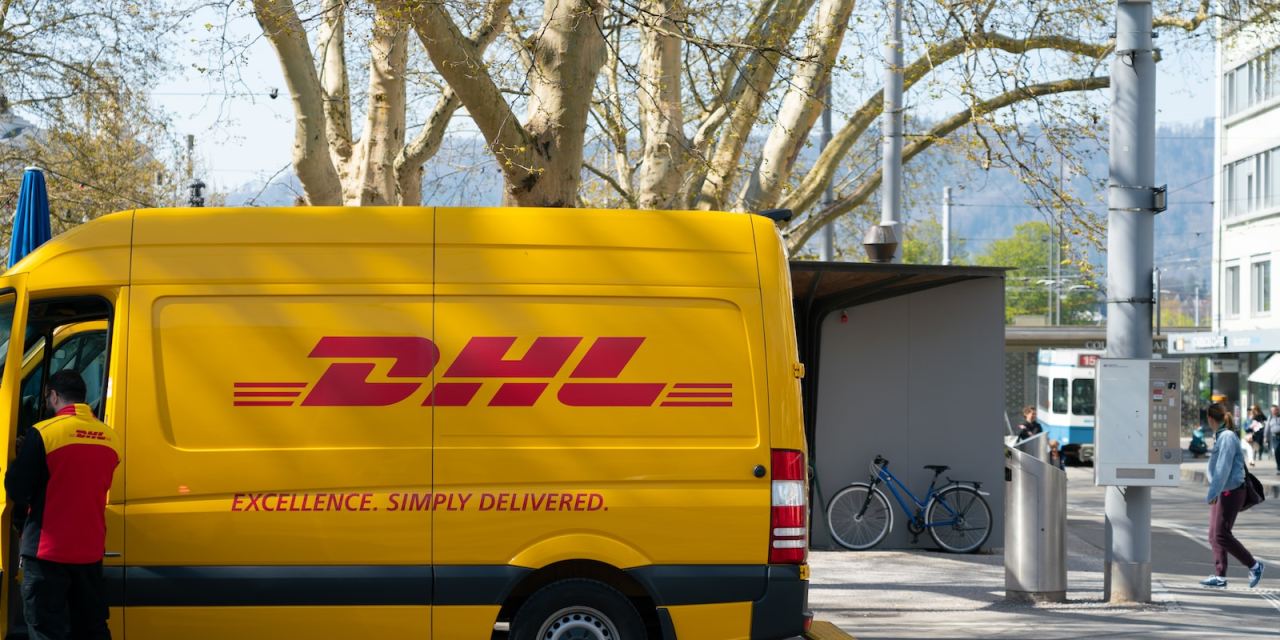
Flexible delivery options are vital for online shoppers with 95% of shoppers globally reporting they have abandoned a purchase in the past because a preferred delivery option was not available. This could be because the purchase lacked a home delivery option or the ability to ship to parcel lockers or parcel shops.
The insights, as revealed in DHL eCommerce’s newly-published first Global Online Shopper Survey, also show that out-of-home delivery continues to grow, especially in Europe, with 72% of shoppers demanding the flexibility to change the delivery option last minute
To gain insights into e-commerce purchasing patterns shoppers were surveyed from ten countries across Europe and, for the first time from 13 countries globally. Major global markets within Europe, the Americas, Middle East and Africa as well as Asia Pacific and China were covered.
A key focus of the survey was finding out where and why they shop cross-border, what they buy and spend, their attitudes to delivery and returns and why sustainability matters to online shoppers worldwide.
“The results of our latest Online Shopper Survey indicates that delivery flexibility and transparency are crucial for customers. But sustainability is also becoming an increasingly important issue, with almost half of the customers even willing to accept longer delivery times,” says Pablo Ciano, CEO of DHL eCommerce.
“The willingness to pay more is still relatively low with 28% – but we are convinced, that this will also change with the growing number of sustainable delivery options and solutions,” he adds.
Among other insights, around two-thirds of European online shoppers said it’s important to know what delivery company handles their parcels before placing an order. Almost one in two would even abandon their cart if they didn’t like or trust the delivery provider offered.
When looking at consumers around the world, a similar picture emerges. The number of consumers who would cancel an order based on the delivery provider even rises to 61% in regions such as the Middle East and North Africa.
Social media shopping on the rise

Photo by Benjamin Sow via Unsplash
Social media channels are becoming increasingly important as a sales channel for retailers. Seven out of ten shoppers worldwide use social media for shopping inspiration. According to the survey, China and Thailand lead the ranking regarding social media shopping.
More than half of the respondents said they regularly shop on social media platforms, versus a global average of 28%. In Europe, 48% of customers have purchased via social media in the past, with Facebook and Instagram being the lead channels.
However, it found that TikTok is noticeably gaining ground here while the popularity of streaming videos continues to make YouTube an important player in the social media sales market, too.
Pay for green delivery?
Photo by Robinson Greig via Unsplash
Sustainability continues to be an important aspect for online shoppers. In the survey, 64% of Europeans said that shopping online sustainably is important to them, but only one in five are willing to pay extra for a greener delivery. Instead, many expect retailers to pay for the additional costs.
However, almost half of customers are prepared to accept longer delivery times if that means that the delivery is more sustainable, both globally and in Europe.
Customers enjoy variety of payment options

Photo by Glenn Carstens-Peters via Unsplash
When it comes to payments the survey reveals that customers enjoy a variety of options. 85% of European online shoppers and 85% of global shoppers are satisfied with the payment options offered at checkout.
Credit or debit cards and digital wallets such as PayPal are still most popular, but BNPL (buy now, pay later) options are on the rise in Europe, particularly in Sweden, the Netherlands, Germany and Austria.
Meanwhile, Cash on Delivery still plays an important part in large parts of the world such as the MENA region (32%), the Czech Republic (22%) and Italy (15%).