
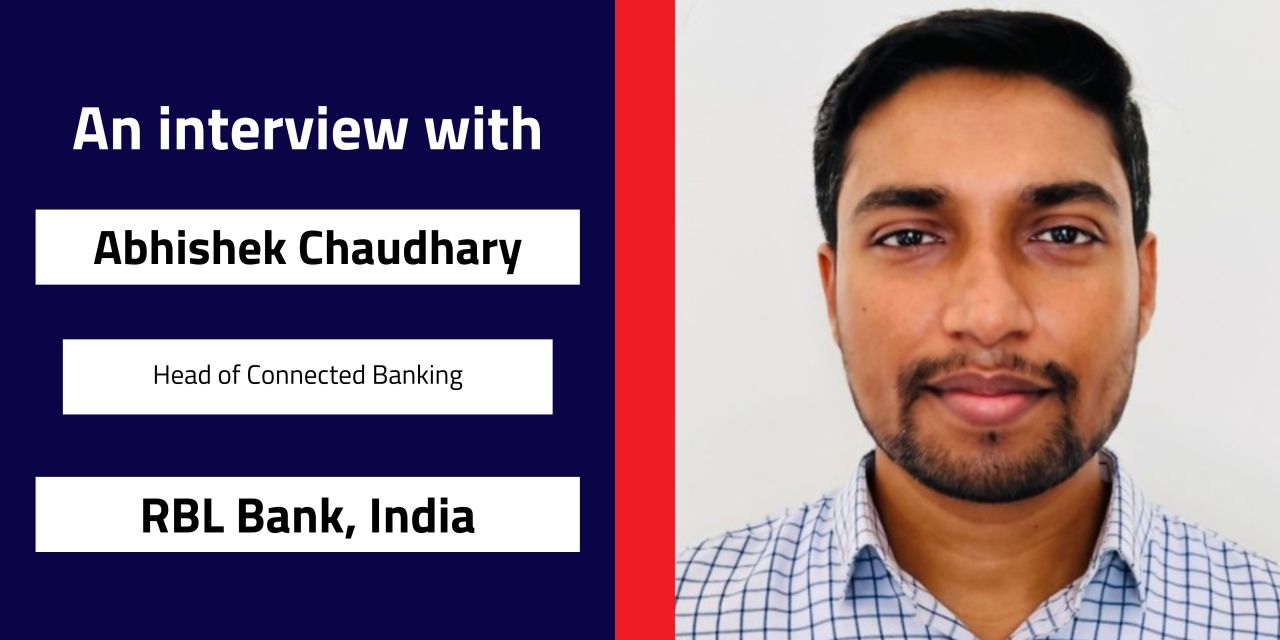
Seamless Xtra’s Paula Hallentuch interviews Abhishek Chaudhary, Head of Connected Banking | RBL Bank in India.
Abhishek is the Head of Connected Banking at RBL Bank, specialising in digital fintech products, UX, and business strategy. Previously, he played a key role in YES Bank’s digital transformation and managed critical BFSI projects at Infosys.
Navigating the fintech landscape: innovation, compliance and the road ahead
1. With the rapid pace of fintech innovation, how do you balance driving technological advancements while mitigating associated risks such as data security or fraud?
The rapid evolution of fintech is transforming financial services worldwide, driving greater accessibility, efficiency, and customer convenience. However, alongside innovation comes the responsibility of mitigating risks such as data security threats, fraud, and regulatory challenges. Striking the right balance requires a comprehensive strategy that integrates technology, governance, and compliance on a global scale.
Security by Design: Ensuring security is embedded from the initial stages of development is crucial. Implementing secure coding practices, end-to-end encryption, and real-time threat monitoring helps fintechs build resilient systems capable of withstanding cyber threats.
AI & Machine Learning for Fraud Prevention: AI-driven fraud detection systems are now integral to risk management. By analyzing real-time transaction patterns, fintechs can proactively identify anomalies, prevent fraudulent activities, and enhance security while maintaining a seamless user experience.
Global Regulatory Compliance & Risk Governance: Fintechs operate across multiple jurisdictions, each with its own regulatory frameworks, such as GDPR in Europe, CCPA in the U.S., and various digital banking regulations in Asia and the Middle East. Adhering to international standards and maintaining a strong risk governance framework is key to ensuring compliance and fostering customer trust.
Customer Awareness & Cybersecurity Education: Human error remains a major factor in financial fraud. Raising customer awareness through cybersecurity education, two-factor authentication, and real-time fraud alerts strengthens the overall security ecosystem and reduces the risk of social engineering attacks.
Collaboration & Industry-Wide Risk Management: No single institution can tackle fintech risks alone. Collaboration with global regulators, cybersecurity experts, and financial institutions enables real-time threat intelligence sharing and strengthens the industry’s ability to combat emerging threats.
As fintech continues to reshape global financial ecosystems, striking the right balance between innovation and security is critical. By integrating cutting-edge technology with strong governance and regulatory alignment, fintech companies can drive sustainable growth while ensuring customer trust and financial system integrity worldwide.
2. RBL Bank has been driving API-based fintech innovations. Could you share some recent examples where APIs have unlocked new business opportunities or improved customer experiences?
India’s financial landscape is incredibly diverse, with businesses and individuals having unique banking needs across different regions, industries, and economic segments. Building API-driven solutions that cater to this diversity is both a challenge and an exciting opportunity. We have embraced this complexity by developing API-based solutions that not only enhance business efficiency but also create meaningful impact in people’s financial lives.
One such example is direct API integration with corporate ERPs, which has transformed the way businesses manage their finances. Traditionally, corporates had to navigate multiple banking portals to handle payments, reconciliations, and cash flow management. By embedding our banking APIs directly into their ERP systems, we have enabled them to seamlessly execute transactions, automate reconciliations, and gain real-time visibility into their financial operations all from a single interface. This has significantly improved efficiency, reduced manual intervention, and enhanced overall business agility.
The rapid adoption of API banking in India reaffirms the belief that banking should meet customers where they are, rather than expecting them to adapt to legacy systems.
3. Building on the role of APIs, Open Banking is gaining momentum globally. How do you see its adoption evolving in India, and what role is RBL Bank playing in shaping this trend?
Open Banking is transforming financial ecosystems globally, and India is at a pivotal moment in its adoption. Given the country’s diverse financial landscape, the challenges and opportunity lies in building solutions that cater to the unique needs of businesses and consumers across different segments. India’s fintech ecosystem is rapidly shifting towards API-driven banking, moving from traditional models to seamless, embedded financial experiences.
A key driver of Open Banking adoption in India is the demand for embedded finance and direct bank integrations. For example, corporate ERP integrations allow businesses to manage their finances within their own ERP systems without needing to log into separate banking portals. This significantly reduces operational friction and enhances cash flow management.
Moreover, with regulatory frameworks evolving and initiatives like account aggregation, UPI expansion, and digital lending APIs, Open Banking in India is set to accelerate further.