As companies increasingly adopt digital tools to carry out daily tasks, having a secure, seamless form of quickly identifying a user has never been more critical. With that being said, here are 5 rapidly-developing innovations that are already shaping the future of biometric authentication.
1. Facial Recognition
Facial recognition technology has emerged as a game-changer in biometric authentication. It analyses unique facial features to verify an individual’s identity, providing a secure and convenient method of authentication. This innovation can be found in applications across various sectors such as banking, smartphones, and airport security. In the Middle East, retailers such as Carrefour and Astra Tech’s ‘B store’ have both rolled out the technology to make payments more seamless while Dubai’s Road and Transport Authority (RTA) recently unveiled a smart gate for paying public transport fares through facial recognition. As part of several new projects.
2. Fingerprint Scanners
Fingerprint scanners have long been recognised as a reliable and widely used biometric authentication method. This technology captures and analyses the unique patterns on an individual’s fingertips, ensuring a high level of accuracy and security. From unlocking smartphones to accessing secure facilities, fingerprint scanners have become an integral part of our daily lives. Interestingly, fingerprint sensors are already being used for in-car payments with Mercedes-Benz customers in Germany, for instance, now able to pay for fuel digitally at the pump directly from their vehicle.
As part of a deal with Mastercard, it recently introduced embedded in-car payments at the point of sale by integrating a fingerprint sensor into its MBUX infotainment system. This technology could become increasingly widespread in the years to come, enable parking and charging payments, among others.
3. Voice Recognition
Voice recognition technology has gained significant traction in the biometric authentication space. By analysing vocal patterns and unique voice characteristics, this innovation provides a secure and efficient method of user identification. Voice recognition is being utilised in various applications, such as call centres, smart home devices, and virtual assistants.
In fact, it earlier this month, Bank of Ireland, announced plans to spend €34 million overhauling its call centre operations, with a central component being the implementation of voice biometrics for customer authentication. Explaining the move, Bank of Ireland Retail CEO, Susan Russell said it will provide “better and faster” resolution of calls as well as a “single view” of the customers, allowing representatives to immediately access all the necessary information without having to talk to another part of the bank.
4. Iris Scanning
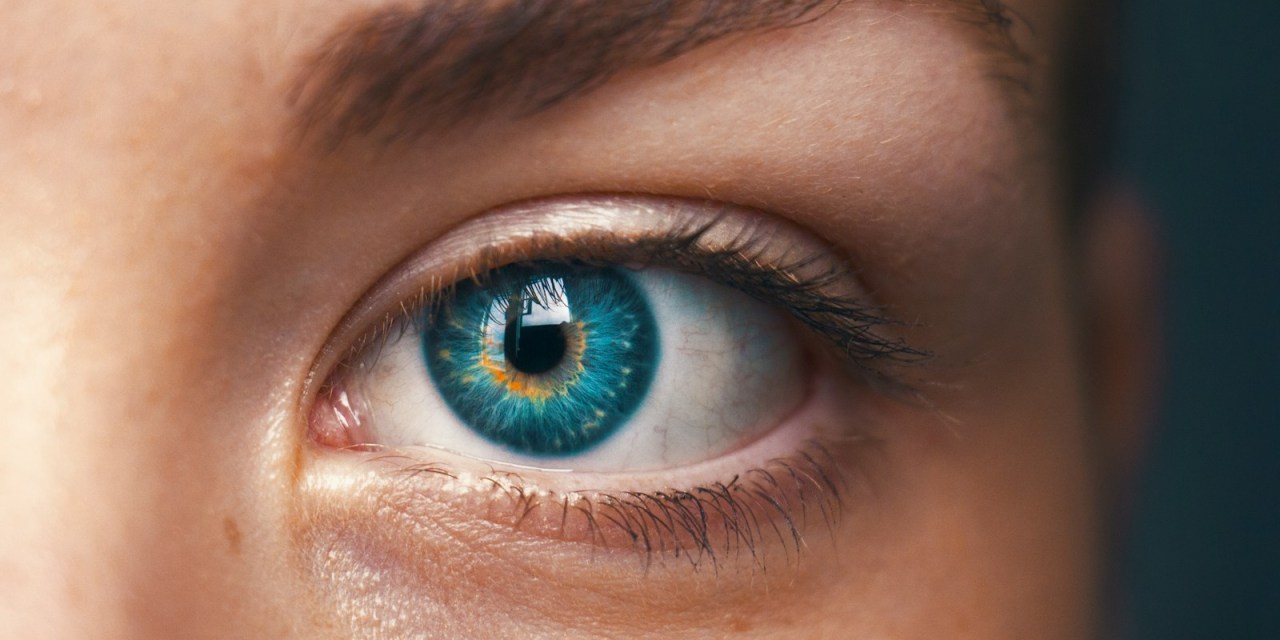
Iris scanning technology has emerged as a cutting-edge innovation in biometric authentication. By capturing the intricate patterns of an individual’s iris, this method offers an extremely secure and accurate means of identification. Iris scanning is being implemented in high-security environments, such as government facilities and border control checkpoints. In India, for instance, it was revealed recently that India’s commercial banks were looking to use iris scans for authenticating transactions, mainly to assist senior citizen customers. According to the report, banks have been in talks with Reserve Bank of India (RBI) among stakeholders, for using iris scans as ageing had been found to distort fingerprints or thumb impressions, making them less reliable for authentication.
5. Behavioural Biometrics
Behavioural biometrics is an innovative approach that analyses an individual’s unique behavioural patterns for authentication purposes. This method considers factors such as typing speed, mouse movements, and even gait recognition to verify a user’s identity. The global behavioural biometrics market is projected to reach US$ 15.08 billion by 2032, representing a staggering jump from the most recently recorded figure of US$ 2.50 billion, last year.
Notably, the solution is already being deployed by industry leaders such as Mastercard which tapped into the space back in 2017 through its acquisition of NuData Security. By analysing the physical interactions a user has with their device the firm can detect any unusual behaviour that might indicate scam-related activity, thus offering an additional layer of security, particularly in online banking, e-commerce, and fraud detection.